
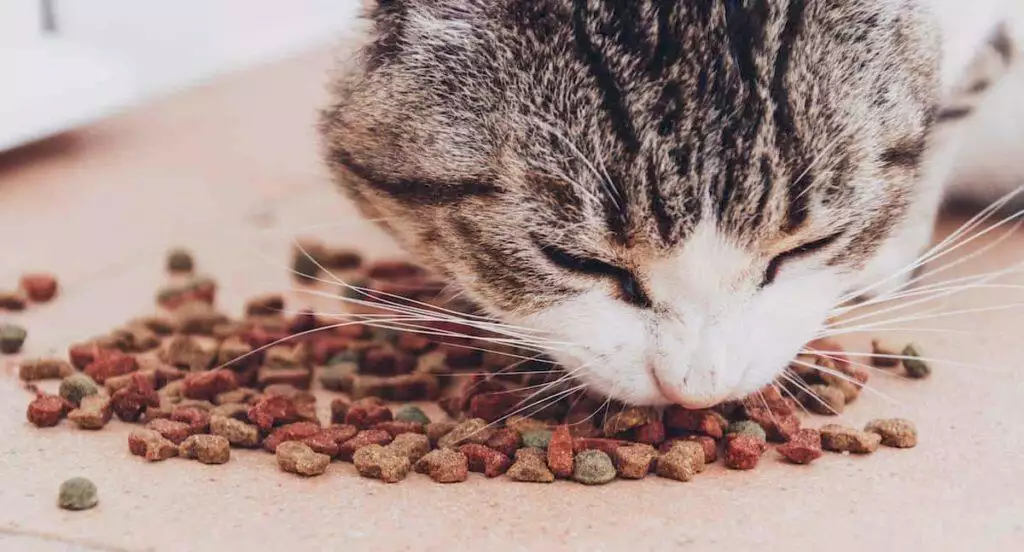
If your cat suffers from food sensitivities, skin irritation, or digestive issues, switching to a hypoallergenic cat food can make a dramatic difference. In this updated 2026 guide, we compare the best vet-recommended hypoallergenic cat foods available in the UK — from prescription diets to supermarket-friendly grain-free options — so you can find the right match for your cat’s needs.
Best Hypoallergenic Cat Foods Compared
| Brand | Type | Key Protein | Grain-Free | Prescription | Price (per kg) |
|---|---|---|---|---|---|
| Royal Canin Hypoallergenic | Dry / Wet | Hydrolysed soy | Yes | Yes | £10-12 |
| Hill’s z/d | Dry / Wet | Hydrolysed chicken | Yes | Yes | £11-14 |
| Purina Pro Plan Delicate | Dry / Wet | Turkey | No (wheat-free) | No | £5-7 |
| James Wellbeloved | Dry | Turkey / Duck | Available | No | £6-8 |
| Scrumbles Sensitive | Dry / Wet | Turkey / Salmon | Yes | No | £7-9 |
Understanding Cat Food Allergies
True food allergies in cats are an immune response to a specific protein. The most common allergens for UK cats are:
- Beef — The most commonly reported feline allergen
- Dairy — Despite cats’ reputation for loving milk, lactose intolerance is widespread
- Fish — Particularly in cats fed fish-based diets long-term
- Wheat and grains — Less common than protein allergies but still significant
Symptoms of food allergies include excessive scratching, skin rashes (especially around the head and neck), vomiting, diarrhoea, and ear infections. Your vet may recommend an elimination diet lasting 8-12 weeks to identify the trigger.
Top Hypoallergenic Cat Food Reviews
1. Royal Canin Veterinary Hypoallergenic — Best Prescription
Royal Canin Hypoallergenic uses hydrolysed protein — protein broken into such small fragments that the immune system cannot recognise them as allergens. This makes it the gold standard for cats with confirmed food allergies. It supports digestive health with prebiotics and provides skin-nourishing omega fatty acids. Available in both dry and wet formulas. Requires a vet prescription in the UK. At £10-12/kg, it’s expensive but clinically proven.
2. Hill’s Prescription Diet z/d — Best for Elimination Diets
Hill’s z/d is the go-to recommendation for allergen elimination trials. Its single hydrolysed protein source (chicken liver) and carefully controlled ingredient list make it ideal for identifying food triggers. Once the allergy is identified, your vet may suggest transitioning to a less restrictive hypoallergenic food. Like Royal Canin, this is prescription-only. At £11-14/kg, it’s the most expensive option.
3. Purina Pro Plan Delicate Digestion — Best Value
Pro Plan Delicate is widely available in UK supermarkets and pet shops without a prescription. It uses turkey as a single protein source with added prebiotics for gut health. While not truly hypoallergenic (it contains some grain), it’s wheat-free and formulated for sensitive stomachs. At £5-7/kg, it’s the most accessible option for most UK cat owners — and many cats with mild sensitivities thrive on it.
4. James Wellbeloved Hypoallergenic — Best British Brand
James Wellbeloved is a UK-made cat food that avoids common allergens by using single-protein recipes (turkey, duck, or fish) with rice or potato as carbohydrate sources. No beef, wheat, or dairy. Available in grain-free formulas too. Widely stocked at Pets at Home and online retailers. Good mid-range option at £6-8/kg.
5. Scrumbles Sensitive — Best Natural Option
Scrumbles focuses on clean ingredients with short, transparent recipes. Their Sensitive range uses a single protein (turkey or salmon) with added slippery elm and probiotics specifically for gut health. Completely grain-free, with no beef, pork, dairy, soy, or artificial additives. Available direct and through UK retailers. Premium-priced at £7-9/kg but with a genuinely impressive ingredient list.
Prescription vs Over-the-Counter: What’s Right?
| Feature | Prescription | Over-the-Counter |
|---|---|---|
| Protein type | Hydrolysed (broken down) | Novel or single-source |
| Best for | Confirmed allergies, elimination diets | Mild sensitivities, preventive care |
| Availability | Vet-only / online with prescription | Supermarkets, pet shops, online |
| Cost | £10-14/kg | £5-9/kg |
| Clinical evidence | Extensive | Limited |
Important: If your cat has persistent vomiting, weight loss, or severe skin issues, always consult a vet before changing food. Food allergies can mimic other conditions (such as inflammatory bowel disease) that require specific treatment.
What to Look For on the Label
- Named single protein — “Chicken” or “Turkey” rather than “meat and animal derivatives”
- “Grain-free” or “wheat-free” — Genuinely free from wheat, corn, and soy
- No artificial colours or preservatives — These can trigger sensitivities
- Added prebiotics or probiotics — Support digestive health
- Omega-3 and omega-6 fatty acids — Support skin barrier function
FAQs
Is grain-free the same as hypoallergenic?
No. Grain-free means the food contains no wheat, corn, or rice, but the protein source could still trigger allergies. Truly hypoallergenic food uses hydrolysed proteins or novel proteins (like venison or duck) that the cat’s immune system hasn’t previously encountered. Grain-free is helpful for grain-sensitive cats but doesn’t address protein allergies.
How long does it take for hypoallergenic cat food to work?
Most vets recommend an 8-12 week trial period. Skin symptoms may take 6-8 weeks to fully resolve, while digestive improvements are often seen within 2-4 weeks. Avoid giving any treats, human food, or other cat food during the trial, as even small amounts of allergen can restart the immune response.
Can I buy prescription cat food without a vet?
In the UK, most prescription diets (Royal Canin Veterinary, Hill’s Prescription Diet) require a written vet prescription. Some online retailers sell them with a prescription verification process. However, many excellent over-the-counter options (James Wellbeloved, Scrumbles, Pro Plan Delicate) are available without a prescription and are sufficient for cats with mild sensitivities.