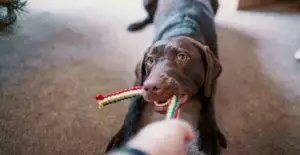
Dog costumes are increasingly popular in the UK around Halloween and Christmas. However, the British Veterinary Association (BVA), RSPCA, Blue Cross, and PDSA have all issued guidance advising against dressing dogs in costumes — and in some cases, doing so could carry legal consequences under the Animal Welfare Act 2006. This guide gives you a welfare-first, honest assessment.
- The Legal Position — Animal Welfare Act 2006
- The BVA, RSPCA & Blue Cross Position
- Dogs That Should Never Wear Costumes
- Signs of Costume Distress — Stop Immediately
- Safe Costume Design — If Your Dog Genuinely Accepts It
- Better Alternatives to Costumes
- FAQs
- •How do I know if my dog actually likes the costume or is just tolerating it?
- • 📚 Related Reading
The Legal Position — Animal Welfare Act 2006
Under the Animal Welfare Act 2006, UK pet owners have a legal duty to provide for their animal’s five welfare needs, including: the need to be able to behave naturally and the need to be protected from pain, suffering, injury, and disease. A costume that restricts movement, impairs natural thermoregulation, prevents a dog from communicating through body language, or causes demonstrable distress could constitute a breach. Penalties include up to £20,000 in fines, up to five years’ imprisonment, and a ban on keeping animals.
The BVA, RSPCA & Blue Cross Position
All leading UK animal welfare organisations advise against pet costumes. Key reasons:
- Costumes impede dogs’ ability to signal discomfort, fear, or aggression — increasing risk of conflict with other dogs and humans
- Halloween is already stressful for many dogs (doorbells, visitors, unfamiliar sights). Adding a costume compounds distress
- Dogs regulate temperature through panting — costumes restricting the body impair this, especially for brachycephalic (flat-faced) breeds
Dogs That Should Never Wear Costumes
- Brachycephalic breeds (Pug, French Bulldog, English Bulldog, Shih Tzu, Cavalier King Charles Spaniel) — compromised respiratory capacity; costume heat restriction is a genuine safety risk
- Anxious or fearful dogs — any known fear or anxiety will be worsened
- Puppies under 6 months
- Any dog showing the distress signals listed below
Signs of Costume Distress — Stop Immediately
- 🔴 Freezing/refusing to move (“shut down”) — a dog that won’t walk in a costume is not cute, it is stressed
- 🔴 Pawing at or attempting to remove the costume
- 🔴 Excessive panting, drooling, or yawning
- 🔴 Tail tucked, ears flattened
- 🔴 Attempts to hide or escape
- 🟠 Low, stiff body posture or whale eye (white of eye visible)
Safe Costume Design — If Your Dog Genuinely Accepts It
| Feature | Safe | Avoid |
|---|---|---|
| Design | Bandana; cape covering back only; lightweight jacket | Full body enclosure; head/face covering; mouth accessories; false teeth |
| Fit | Two fingers easily under all edges; full range of motion when walking, sitting, lying | Tight around neck, chest, or legs |
| Material | Breathable cotton or lightweight mesh | Heavy synthetics; glitter, sequins, beads (choking risk); non-breathable fabrics |
| Duration | 10–20 minutes maximum with constant observation | All-day wear; unsupervised wearing; overnight |
Better Alternatives to Costumes
- Halloween-themed bandana — genuinely dog-friendly; allows participation with zero welfare compromise
- Patterned festive collar
- Halloween-themed treat puzzles or Licki Mats (pumpkin patterns available)
FAQs
How do I know if my dog actually likes the costume or is just tolerating it?
A genuinely comfortable dog in a costume moves normally, maintains a relaxed posture, and shows no avoidance behaviour toward the item. Compare to the same dog without a costume — any increase in tension, reduced movement, or any distress signal above indicates tolerance, not preference. A dog tolerating a costume is not a dog that enjoys it. The welfare-first position: if in doubt, leave it off and choose a bandana instead.